
Choosing the right travel bag can significantly enhance your travel experience. With countless options available, it can be overwhelming to find the perfect fit for your needs. This guide will help you navigate through the essential factors to consider when selecting a travel bag that suits your lifestyle and travel habits.
Understand Your Travel Style
Your travel style plays a crucial role in determining the type of bag you need. Are you a frequent flyer, a weekend warrior, or an adventurous backpacker? Each travel style demands different features in a bag. For instance, frequent flyers may prefer a wheeled suitcase for ease of transport, while backpackers might opt for a durable backpack that can withstand rugged conditions.
Consider how often you travel and the types of trips you take. If you often find yourself hopping from city to city, a versatile bag that can be easily carried or wheeled might be ideal. On the other hand, if you enjoy long hikes or camping trips, a sturdy backpack with ample storage and comfort features will be more beneficial.
Assess the Size and Capacity
Size is another critical factor when choosing a travel bag. Think about how much you typically pack for your trips. A bag that is too small will leave you struggling to fit your essentials, while one that is too large may lead to unnecessary weight and bulk. Most travel bags come in various sizes, so it’s essential to find one that aligns with your packing habits.
Additionally, consider the bag’s capacity in relation to your travel duration. For short trips, a carry-on size may suffice, while longer journeys may require a larger checked bag. Always check airline regulations regarding size and weight limits to avoid extra fees or inconveniences at the airport.
Evaluate Material and Durability
The material of your travel bag significantly impacts its durability and performance. Look for bags made from high-quality materials that can withstand wear and tear. Nylon and polyester are popular choices due to their lightweight and water-resistant properties. If you’re traveling to areas with unpredictable weather, a waterproof bag can protect your belongings from getting soaked.
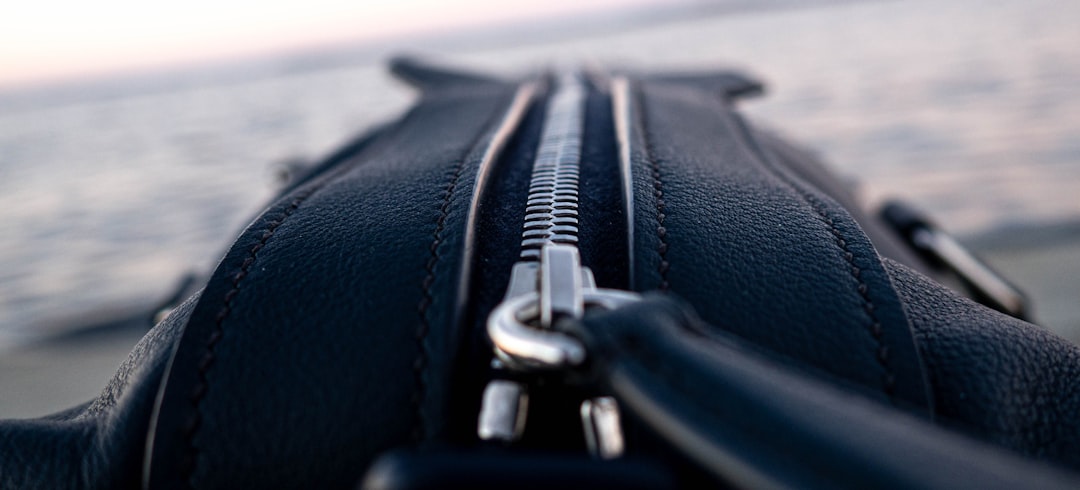
Moreover, consider the stitching and zippers of the bag. Reinforced seams and sturdy zippers are indicators of a well-constructed bag. Investing in a durable travel bag may cost more upfront, but it will save you money in the long run by reducing the need for replacements.
Prioritize Comfort and Functionality
Comfort is paramount, especially if you’ll be carrying your bag for extended periods. Look for bags with padded straps, ergonomic designs, and adjustable features that allow for a customized fit. A well-designed bag will distribute weight evenly, reducing strain on your back and shoulders.
Functionality is equally important. Consider the number of compartments and pockets available. A bag with multiple sections can help you stay organized and easily access your items. Features like external pockets for quick access to essentials and internal compartments for separating dirty clothes or shoes can enhance your travel experience.
Step-by-step plan:
Step 1: Identify your travel style and needs. Step 2: Determine the appropriate size and capacity for your trips. Step 3: Research materials and prioritize durability. Step 4: Test for comfort and functionality before making a purchase.